
Aluminosilicate gauge glass is an option for flat liquid-level gauges used in demanding industrial service. When reviewing a replacement, start with the gauge model, the existing glass drawing and the operating envelope. The material data can then be compared with the geometry and conditions of the actual assembly. This guide uses KUNYO’s product information and the published DIN scope to explain what buyers should confirm before requesting a quotation.
In this guide

What Is Aluminosilicate Gauge Glass?
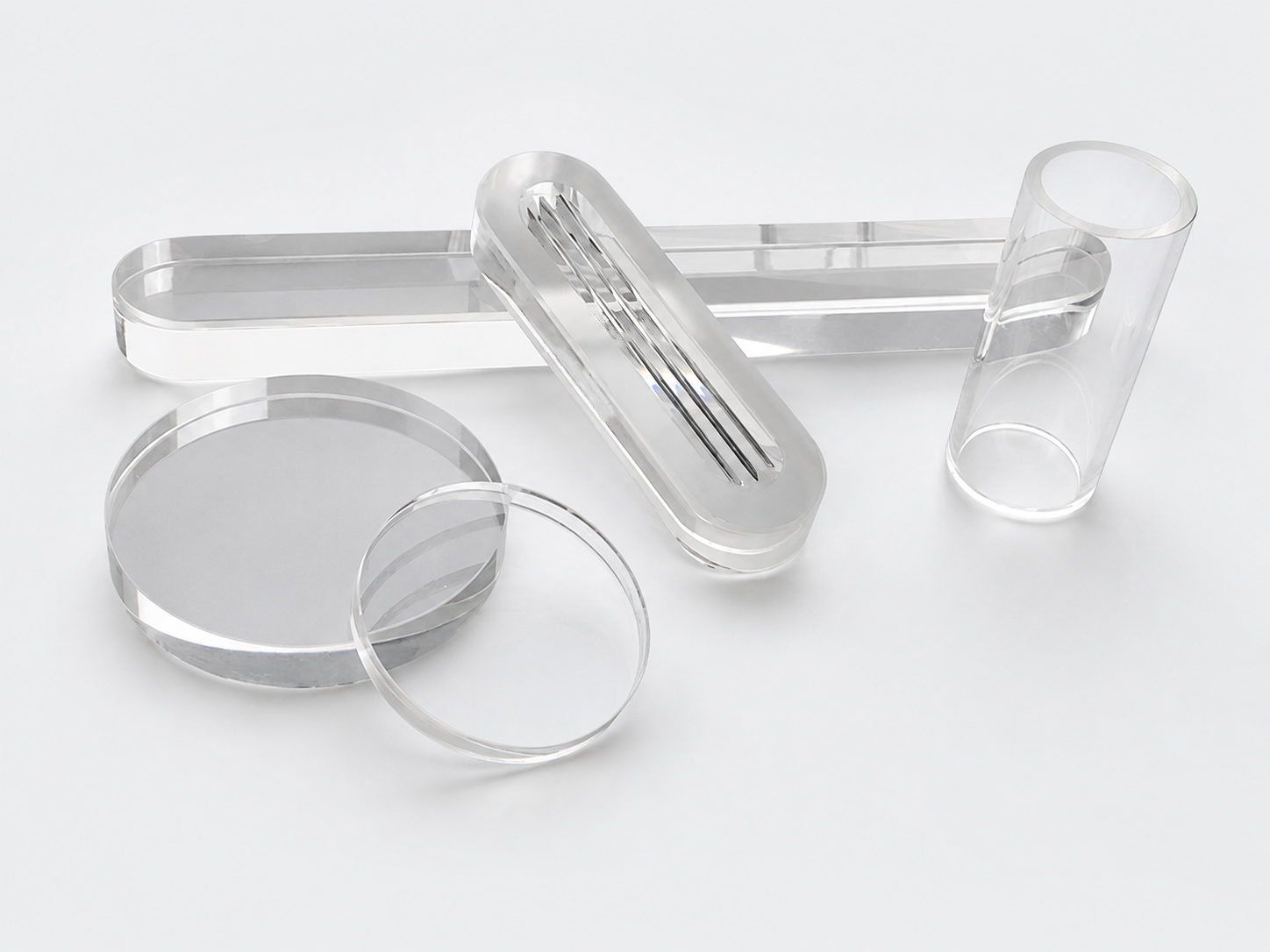
KUNYO supplies aluminosilicate gauge glass as a thermally tempered flat component for industrial level gauges. The flat glass provides the viewing surface in a gauge body, together with the seals, cover and other parts defined by the gauge design. A replacement inquiry should identify the complete gauge model and the manufacturer’s original part reference whenever those details are available. The same glass material can also be supplied in different forms for equipment that needs a viewing window.
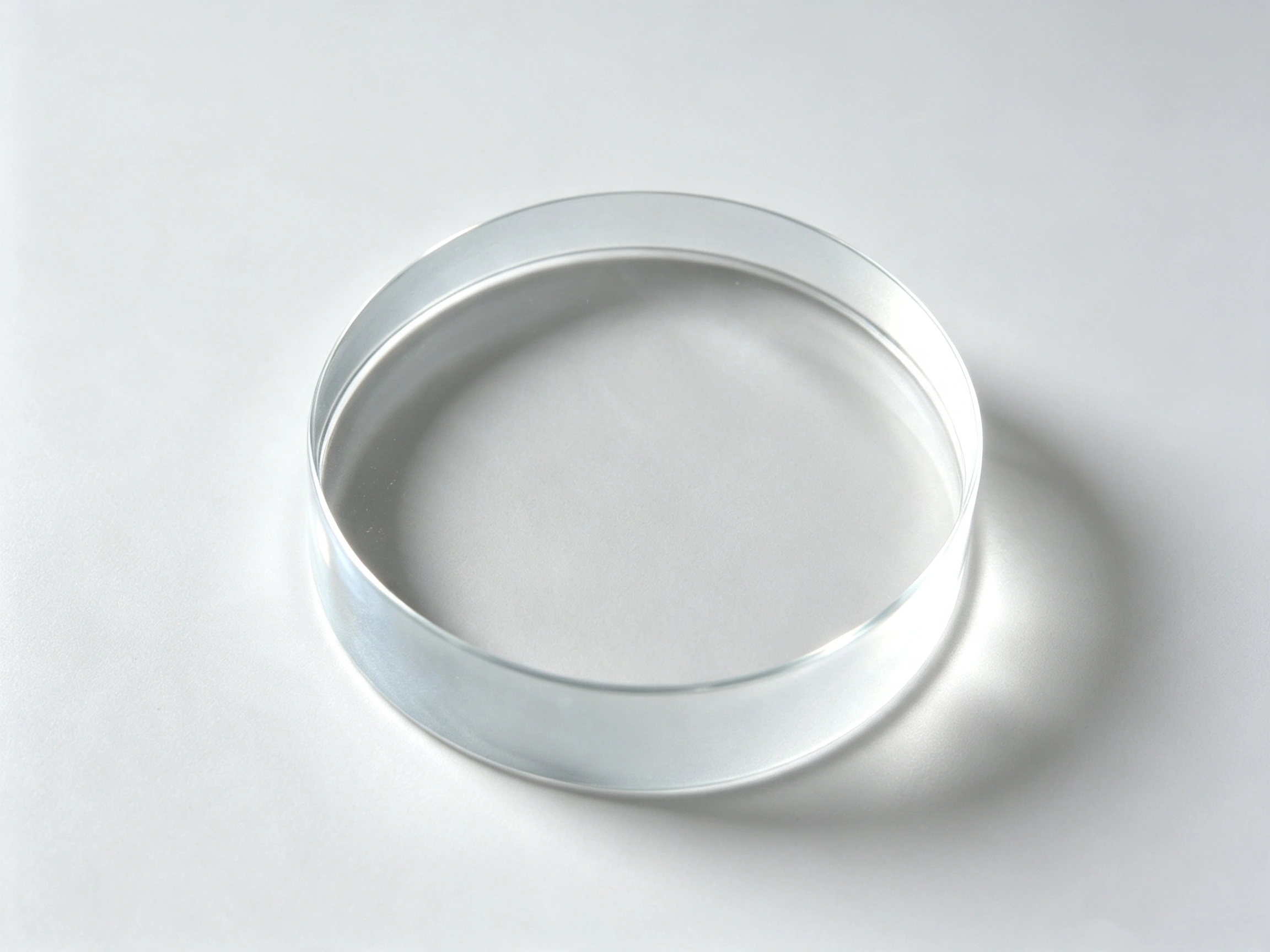
For example, KUNYO lists a separate aluminosilicate sight glass disc for circular windows. A flat level-gauge plate and a circular viewing disc serve different mounting arrangements. For a plate, the drawing will usually show overall length and width. For a disc, it will usually show outside diameter and the opening in the fitting. In either case, identify the part’s intended function. If the equipment needs a direct view of an interface or the color of the liquid, include that requirement in the inquiry alongside the gauge model and material.
Key Properties of Aluminosilicate Glass
The properties relevant to procurement include mechanical strength, thermal expansion, thermal shock resistance and chemical durability. KUNYO’s aluminosilicate gauge glass listing describes a thermally tempered product and publishes typical material data. Use that information to identify what needs to be confirmed for the exact glass grade and finished part. When comparing offers, check whether the supplier is describing a raw material, a test specimen, the finished glass plate or a complete gauge. Each describes a different item and can have a different basis for the reported values.
Keep three temperature concepts separate in the specification. The continuous service temperature describes a condition during operation. A thermal-shock test reports the response to a particular change in temperature under stated test conditions. A softening temperature is a material characteristic used for other purposes. For a purchase decision, send the actual operating range and identify any rapid change during startup, shutdown or cleaning. For chemical compatibility, provide the liquid and vapor conditions on the process side and any cleaning media that can come into contact with the window or its protection.
Industrial Applications
KUNYO lists applications for aluminosilicate gauge glass that include steam systems, high-pressure boilers, separators, process vessels and petrochemical equipment. These examples identify equipment in which the material may be considered. For a particular gauge, the equipment documentation should establish the design basis and approved parts. One buyer may be replacing a glass in an existing transparent boiler gauge. Another may be sourcing a window for a new separator and still needs to define the gauge assembly. The first buyer should prioritize the approved parts list, while the second should bring the equipment drawing and service requirements into the supplier review.
The catalog also discusses protective mica for transparent gauges exposed to steam, hot water or media that can attack glass. Confirm whether the gauge uses a mica shield, identify the existing shield and gasket references, and ask which parts are included with the order. A quotation that covers the glass separately from the shield and gaskets makes it easier to check the scope against the equipment list. The equipment manufacturer should confirm the complete arrangement for the intended service.
Aluminosilicate vs Borosilicate Glass
KUNYO describes its aluminosilicate gauge glass as an option where the service demands warrant reviewing higher mechanical strength or temperature capability. Its borosilicate gauge glass range covers several common industrial viewing configurations. Start the comparison with the specified part and the conditions it must meet. If borosilicate is already approved for the gauge under its operating conditions, that approved reference gives purchasing a clear basis for requesting a like-for-like replacement. If the service has changed, ask the equipment owner or manufacturer what review is required before approving a material change.
The publisher’s DIN 7081 entry identifies borosilicate glass in the scope of the standard. KUNYO describes available aluminosilicate dimensions as compatible with common DIN 7081 housings. When buying aluminosilicate gauge glass, ask the supplier to state the dimensional reference and the material separately. If the purchase specification requires compliance with a particular standard, give its applicable edition and ask exactly which requirements and documents the supplier can confirm. Carry that clarification into the quotation and approval drawing.
Factors Affecting Material Selection
Build the material comparison around a short service record. List the process medium, operating and design pressure, normal and maximum temperature, and any cycling that affects the gauge. Identify the seal and support arrangement, the area of glass exposed to the process and any protective components. Use the gauge identification plate, parts manual and approved drawings to trace the existing configuration. When details are missing, flag them for the equipment owner so the supplier understands which items are confirmed and which remain open.
Treat pressure and temperature as conditions that must be reviewed together for the actual size and assembly. A value associated with a glass material or a particular catalog configuration cannot be adopted as the limit for every installation. Ask for the conditions that apply to the quoted item, including the required assembly geometry and any accompanying documentation. For a modification, the responsible engineer or equipment manufacturer should confirm the allowable conditions and acceptance criteria. Keep that confirmation with the equipment record so future buyers can trace why the material was selected.
| Review item | Question to resolve |
|---|---|
| Glass and gauge | Which original part, plate form and gauge model does the drawing specify? |
| Material and medium | Which grade is approved for the actual operating and cleaning media? |
| Scope of order | Is the quotation for glass only, or should it include mica and gaskets? |
Custom Sizes and Manufacturing Options
KUNYO lists standard and made-to-drawing sizes for aluminosilicate gauge glass. Its product page shows common length, width and thickness options and describes grinding and polishing as available edge finishes. Start a custom request with the approved drawing or original part number. If sending dimensions, identify length, width, thickness and corner details individually and specify units and tolerances. Mark the viewing face, sealing surfaces and any marking requirements so the supplier can evaluate which finishes and inspections apply to each area.
For a replacement with no drawing, send the equipment model and clear photographs of the existing part and its markings. Include measured dimensions as preliminary information and ask whether a physical sample is needed for identification. Discuss whether sizing or processing will affect the price, minimum order or sample lead time. If a pre-production sample is requested, agree on how it will be measured and which drawing revision it represents. The same revision should appear on the order and any inspection documents agreed with the supplier.
How to Choose a Reliable Supplier
Ask each supplier to quote the same scope. Identify the required glass form and grade, finished dimensions and tolerances, edge and face finish, and applicable standard or dimensional reference. If the glass is part of a maintenance kit, list mica and gaskets as separate items with their own references. Request clarification on any alternative and ask for sample terms, inspection records, packaging and timing where relevant. Comparing offers against the same part reference and service data makes differences in scope visible before the order is placed.
For repeat purchasing, retain the approved drawing, part code, quotation revision and evidence that identifies the supplied configuration. This is especially helpful when different installations on the same site use plates with similar dimensions. A purchase request should tell the supplier which unit is involved, whether the glass is a replacement or an OEM design, and where the order will be delivered. KUNYO’s ordering FAQ explains how drawings, samples and inspection requirements can be handled during quotation.
Request a quote for aluminosilicate gauge glass and include your gauge model, drawing or existing part reference, operating conditions, quantity and destination.