
Choosing a sight glass gasket means matching both the material and the assembly. PTFE, flexible graphite and compressed non-asbestos fiber are different material families; the same ring dimensions do not make them interchangeable. Begin with the equipment’s approved seal specification and compare any alternative against the medium, operating conditions and mounting design.
In this guide
1. Compare sight glass gasket material families
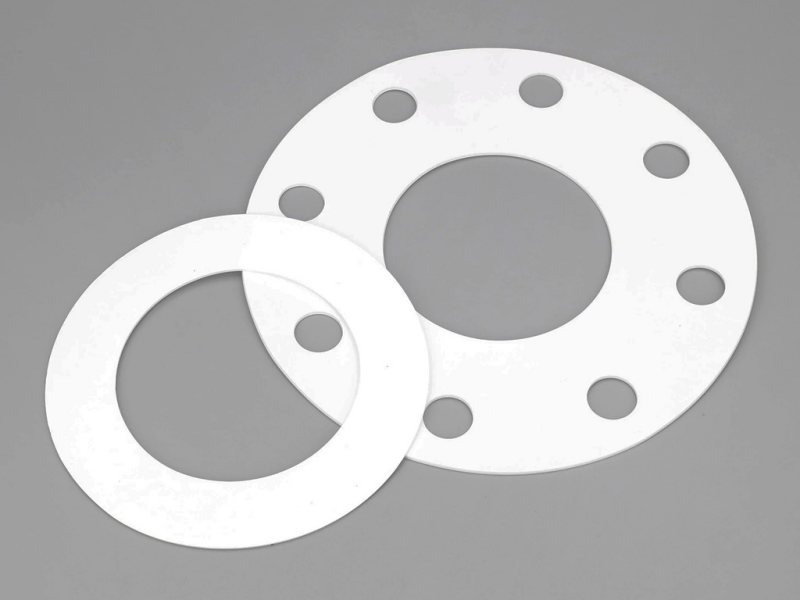
KUNYO lists PTFE, flexible graphite and non-asbestos gaskets for relevant glass and industrial sealing applications. Its PTFE range includes ring and custom shapes. Its graphite range includes ring gaskets and reinforced constructions. The non-asbestos range includes circular, rectangular and drawing-specific parts.
| Material family | KUNYO product information | Confirm for your assembly |
|---|---|---|
| PTFE | Chemical-resistant sealing; ring and custom shapes | Exact medium, grade, design and operating conditions |
| Flexible graphite | Elevated-temperature sealing; plain and reinforced options | Required construction and compatibility |
| Non-asbestos fiber | Compressed fibers with an elastomer binder | Specified grade, binder and service suitability |
This comparison narrows the discussion; it does not choose the material for an unspecified process. Follow the equipment manufacturer’s approved specification. When considering an alternative sight glass gasket, ask for a review of the actual grade rather than relying only on the family name.
2. Describe the sight glass gasket medium and cleaning conditions
Tell the supplier the fluid or gas, concentration where relevant, and the normal and maximum temperature and pressure. If cleaning introduces another chemical or a different temperature, include that information. A broad label such as “chemical service” is not enough to evaluate compatibility.
The PTFE gasket page describes resistance to many acids, alkalis and solvents. The graphite gasket page lists applications involving steam, oils and other industrial media. Neither description means that every grade suits every fluid or operating condition.
3. Check the sight glass gasket in the complete joint
Published material limits need to be read with their conditions. KUNYO specifically qualifies PTFE temperature information by pressure and gasket design, while its non-asbestos range depends on the material grade and operating conditions. A highest listed temperature is not a universal assembly rating.
Also identify the construction. A plain flexible graphite gasket and a reinforced version have different specifications, even when their outline is similar. Include the housing, supported glass area and approved gasket arrangement in the review. A material change should not be approved simply because a catalogue temperature exceeds the process temperature.
4. Match the sight glass gasket outline and thickness
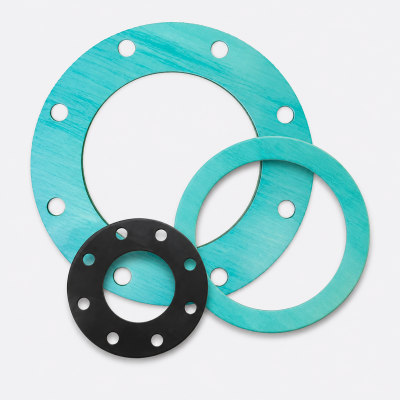
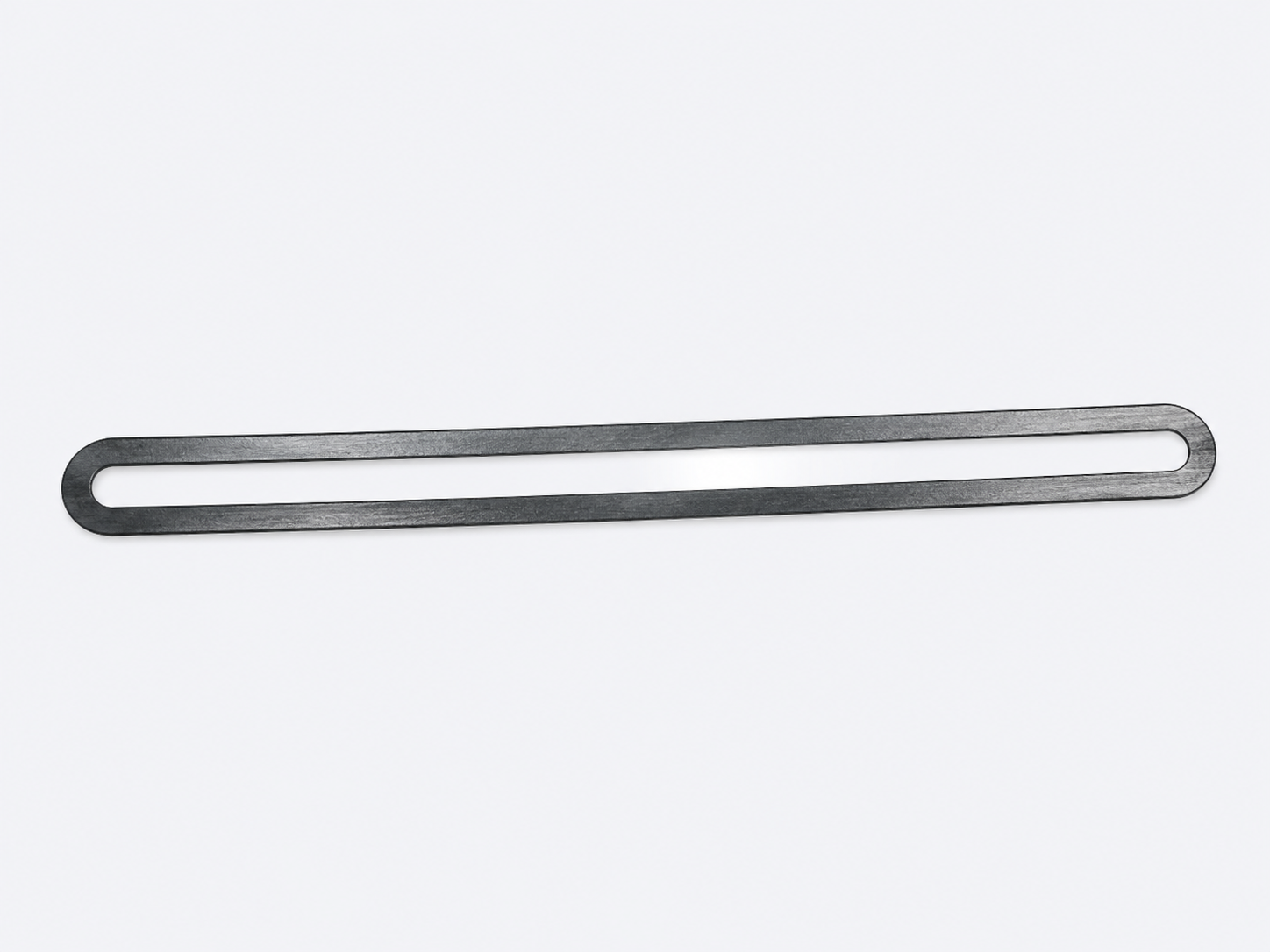
For a circular ring, supply outside diameter, inside diameter and thickness. Show holes, steps or special profiles on a drawing. If the component is rectangular, include outside length and width together with the opening dimensions. Keep glass measurements separate from gasket measurements.
Use an original drawing or unused spare where possible. A used gasket may be compressed or damaged and therefore may not show its original thickness or outline. KUNYO lists custom sizes, but the requested geometry still needs agreement before production.
For background on borosilicate viewing glass, see SCHOTT’s borosilicate material information. Glass material information is separate from selecting the seal: both components need to suit the complete equipment design.
5. Request a quotation that identifies the offered grade
- Equipment model, original gasket code and approved material.
- Gasket outside and inside dimensions, thickness and drawing.
- Plain or reinforced construction where applicable.
- Process medium, cleaning media, temperature and pressure.
- Quantity, required documents and destination.
Ask the supplier to name the proposed material or grade and identify any departure from your original requirement. If more than one material is being considered, request separate specifications so price comparisons relate to identified products. Confirm the replacement with the equipment manufacturer or responsible engineer before changing materials.
Which sight glass gasket should you request?
If the original approved material is known, include it first. If it is unknown, provide the equipment documentation and operating details for review rather than choosing from color or feel. KUNYO’s gaskets and accessories range provides the available product families.
KUNYO can review standard or custom gasket requests based on drawings and service details. This article helps organize a sight glass gasket inquiry; it does not establish compatibility without the missing equipment and material information.
Send your specifications and required quantity to sales@kunyoindustrial.com, or contact KUNYO for review. Include your delivery country and any required documents so the quotation covers the complete request.