
Custom-shaped sight glass gives equipment designers a viewing window that follows their assembly drawing. KUNYO supplies oval, rectangular, polygonal and other profiles, with options for holes, slots, steps and edge finishes. The main benefit is a glass component specified around the equipment opening, viewing task and sealing arrangement. Send KUNYO your drawing to request a quotation for the required shape and material.
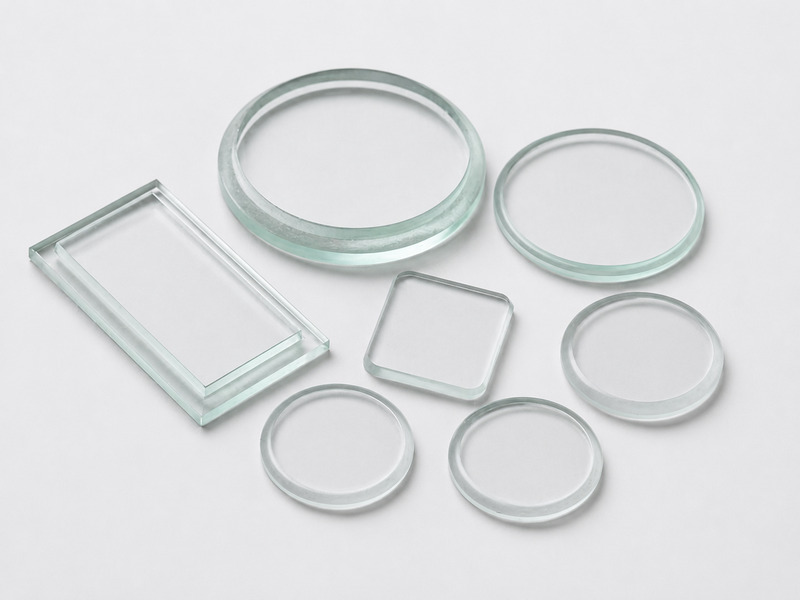
Table of Contents
1. Fit custom-shaped sight glass to the equipment opening
A catalog disc works where the equipment uses that disc size and geometry. A custom window becomes useful when the housing has an obround opening, a rectangular recess or an irregular outline. By specifying the profile on a drawing, the buyer can ask the supplier to evaluate the glass as a defined component of the assembly.
KUNYO manufactures custom-shaped sight glass from drawings or samples. Show the opening and the overall glass envelope together, including corner radii, thickness and critical tolerances. Identify which surface locates against the housing and which area must remain available for observation. These details connect the glass outline to its function in the equipment.
If you are replacing a window, include the equipment model and part number. An old sample can help establish the shape, while an approved drawing can clarify details that are hard to measure on a damaged edge. Ask the supplier to list any unresolved dimensions before finalizing the order.
2. Integrate holes and machined features into one specification
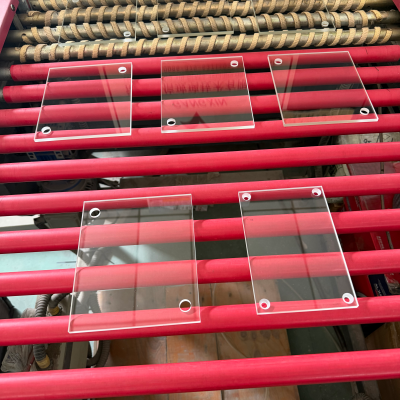
A window may need an opening for a wiper, shaft, sensor or another component. KUNYO lists custom holes, slots, notches, grooves and stepped profiles. Put those features on the same drawing as the outside shape so their relationship to the window and sealing area can be reviewed.
For custom-shaped sight glass with holes, provide hole diameter, quantity and position from stated reference edges. Include the mating part drawing if it helps explain the fit. Identify any feature that passes through the glass and give the expected clearance so the supplier can review the machining requirements.
Glass processing includes decisions about edges as well as shapes. For background, SCHOTT describes processing options for flat glass. Use the KUNYO quotation and approved drawing to establish the dimensions and processing requirements of your specific part.
3. Choose the material around the intended service
KUNYO lists borosilicate, aluminosilicate, quartz and soda-lime materials for this product family. The selection should follow the documented temperature, pressure, medium and viewing requirements of the complete assembly. Give those conditions in the initial request so the supplier can evaluate a proposed material with the shape and thickness.
For a custom-shaped sight glass inquiry, describe whether the window needs to show liquid movement, an interface or another process feature. If the project has a specified material grade or optical requirement, include it on the drawing. Ask for confirmation where a proposed material differs from the existing specification.
The material name alone leaves several design details open. A quotation should identify the selected glass, finished thickness and relevant processing. Keep the approved configuration linked to the equipment drawing so purchasing and engineering review the same component.
4. Coordinate the glass edge and sealing profile
KUNYO can supply matching graphite, PTFE, rubber and other gaskets on request. If you need glass and a seal together, provide both drawings and identify which parts must be included. Show any step, groove or edge finish that affects how the window sits in the housing.
The benefit of ordering custom-shaped sight glass with its associated sealing profile is a clearer component list for the project. Ask the supplier to quote the glass and gasket as separate line items against one assembly reference. This makes the scope easier to check when the order arrives.
For maintenance projects with several window sizes, attach an equipment tag to each glass and gasket pair. Confirm the dimensions and materials for each position. Similar-looking profiles should remain identifiable through the quotation, sample review and receiving process.
5. Approve custom-shaped sight glass for repeat orders
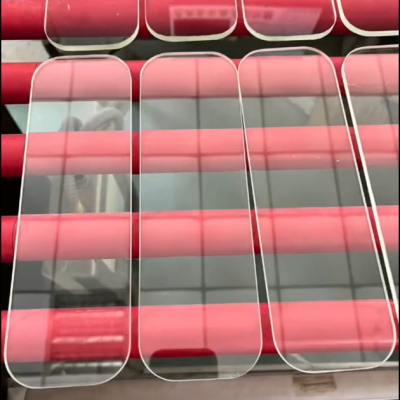
KUNYO accepts PDF, DWG, DXF and STEP files according to its product page. Provide the drawing number, revision, quantity and any marking or packaging requirement. State whether you need development samples, a production batch or both, and identify the features you intend to check on the sample.
A quote for custom-shaped sight glass should repeat the part reference and list any dimensions or finishes requiring confirmation. When a revision changes the housing or sealing arrangement, highlight the affected glass features. Keep sample approval tied to the final drawing so later orders can be traced to the selected configuration.
What if the original drawing is unavailable?
KUNYO can evaluate clear photographs and a physical sample. Include overall dimensions, the equipment model and an explanation of any damaged or uncertain features. Confirm how the replacement specification will be established before treating a sample as the approved production reference.
Review the KUNYO custom-shaped sight glass options, then request a drawing review and quotation. Include the profile, material, thickness, service conditions and quantity so the response can address the equipment fit and the supply scope together.