
A clear window does not always give a clear oil-level reading. If pale oil disappears against the dark interior of a gearbox or tank, we ask whether an oil sight glass reflector is part of the required configuration. The background behind the window can matter as much as the window’s transparency.
At KUNYO, our threaded oil-level sight glasses are available with or without an internal contrast reflector. We review that option together with the viewing task, connection and service conditions. A reflector can assist visibility, but it cannot correct a wrong mounting height, a dirty window or an unsuitable assembly.
1. What does an oil sight glass reflector do?
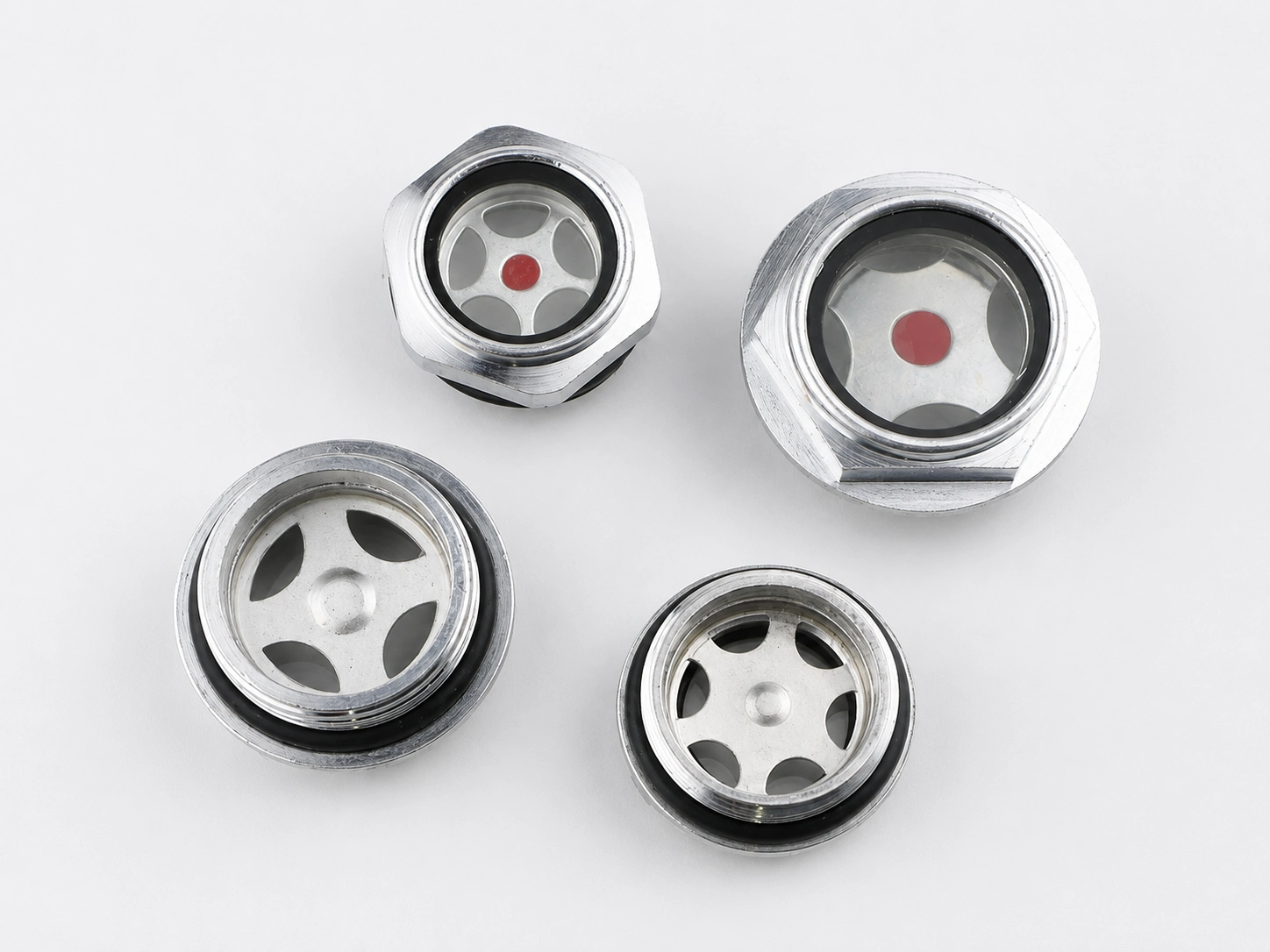
A reflector or contrast insert sits behind the viewing region in designs that include this option. We use it to provide a defined visual background for observing clear or light-colored oil. The inquiry should state whether you want a reflector rather than assuming that every threaded sight window includes one.
The manufacturer Elesa lists separate sight-glass versions with and without reflectors. This illustrates that reflector configuration is a distinct product option. Another manufacturer’s reflector material or temperature limit does not define the proposed KUNYO component.
| Observation need | What we review |
|---|---|
| Pale oil against a dark tank interior | Whether a contrast reflector is requested |
| Local oil boundary at a fixed port | Window position and visible opening |
| Broader vertical level range | Whether a vertical level gauge is more appropriate |
| Oil appearance inspection | Viewing area, lighting and the intended observation task |
| Replacement of an existing sight plug | Original reflector configuration and full part specification |
2. Test visibility from the actual inspection position
We ask where the operator stands, which direction the window faces, and what lighting is normally available. A product viewed on a bright workbench can be harder to read after installation behind a cover or near pipework. Include a photograph or drawing of the available viewing position.
For an oil sight glass reflector comparison, use the actual oil or a representative agreed fluid during sample review. State the oil color and the background conditions you need to assess. Do not decide only from an empty product photo, because that does not show the installed reading task.
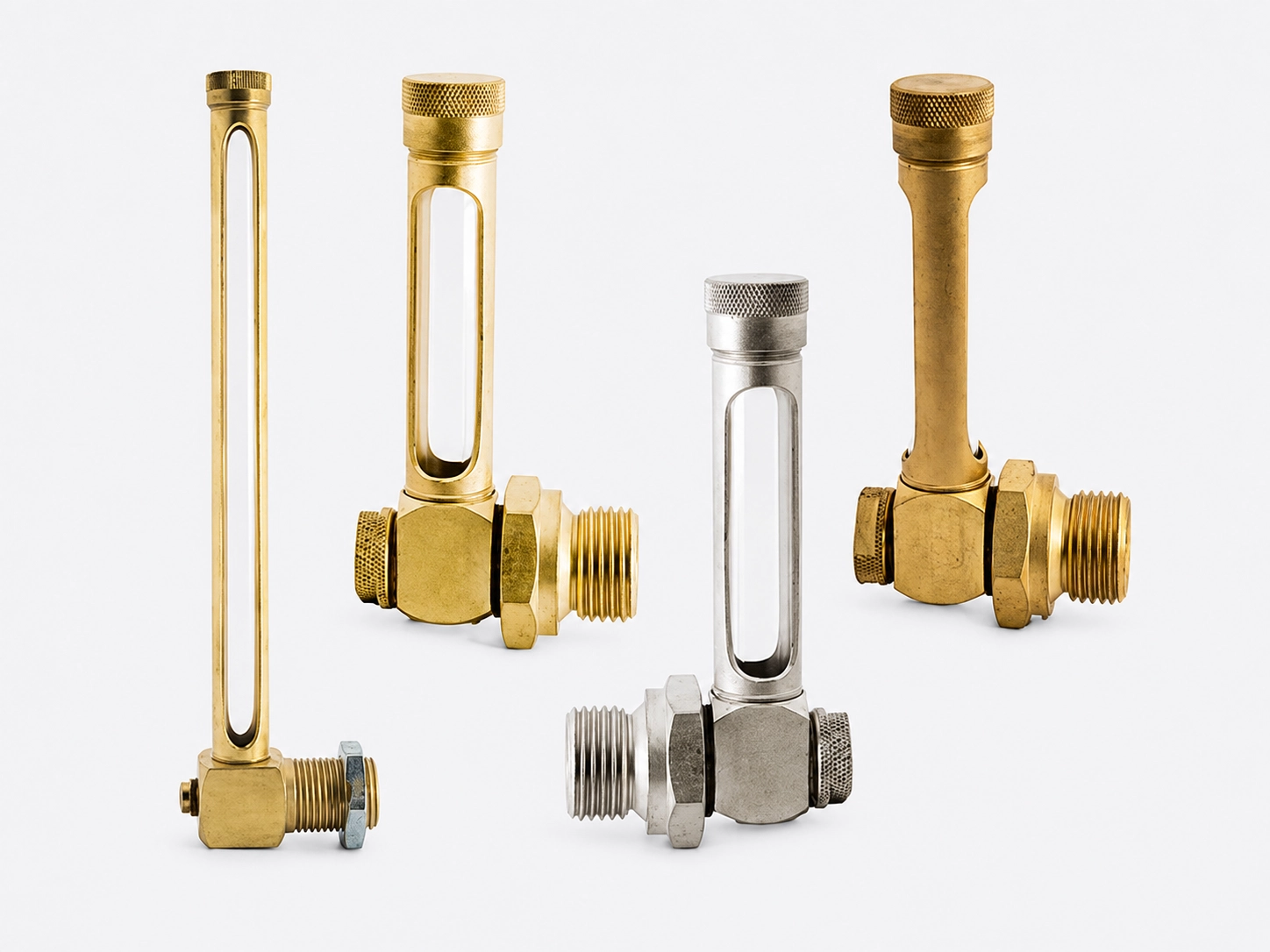
We also ask whether the requirement concerns a visible oil boundary, general oil appearance or a level-range check. A small round port shows a local region. If you need to follow the boundary over a wider height interval, compare the format with our oil sight glass and vertical level gauge guide.
3. An oil sight glass reflector cannot solve every reading problem
We do not treat poor visibility as proof that the existing part lacks a reflector. Oil condition, window contamination, lighting, viewing angle and the port location can all change what the operator sees. Give us the symptom description and the original part reference before requesting a replacement configuration.
If the visible region is completely filled or empty, a contrast insert alone does not establish the tank’s complete level. Follow the equipment maker’s defined reading conditions and reference position. We do not recommend changing the fill quantity solely because a local window is difficult to interpret.
A visual window is also different from a sensor or oil-analysis instrument. It does not automatically identify contamination or produce a remote alarm. If your equipment needs an electrical signal, temperature indication or a laboratory assessment, state that separately from the sight-glass quotation.
4. Specify more than the oil sight glass reflector option
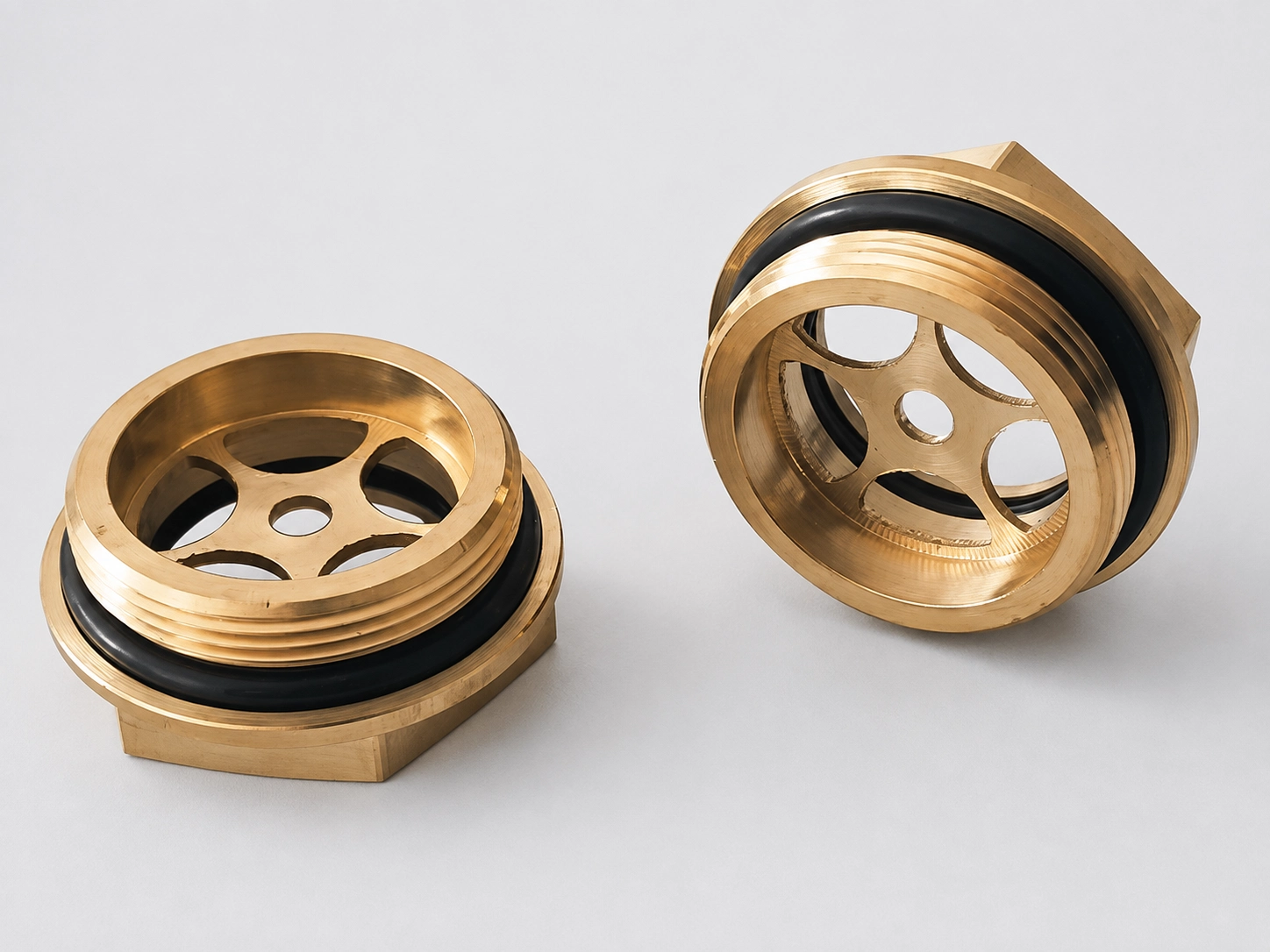
Our threaded oil level sight glass product page lists different body, window and sealing options. We request the actual lubricant, operating temperature, pressure and relevant cleaning chemicals. The proposed reflector, body, window and seal need to be reviewed as one specified configuration.
State the full connection thread and sealing arrangement. A shared nominal size does not make NPT, BSP and metric versions equivalent. Include projection, wrench size and available clearance if these are restricted. Our NPT and BSP thread guide explains the identification information we request.
Keep the visible opening separate from the outside body or thread dimension. A larger hexagon does not automatically mean a larger useful viewing region. If the original equipment needs a particular opening or level reference, show it on the drawing so the quoted item can be assessed against that requirement.
5. Agree the oil sight glass reflector sample review
For a new OEM configuration, we suggest defining the sample acceptance checks before comparing production offers. A dimensional fit check and a visibility check answer different questions. If you request versions with and without a reflector, keep the other relevant specifications the same and record the observed difference under the agreed conditions.
- Equipment drawing and original part number, if available.
- Full thread designation and sealing arrangement.
- Reflector required, not required or alternatives requested.
- Window opening, overall projection and installation clearance.
- Oil identity, appearance and normal viewing conditions.
- Body, window and seal requirements plus operating conditions.
- Quantity, delivery country and any sample or document requirements.
If an internal insert or marker has a required material or design, identify it explicitly. We do not assume that every product described as “with reflector” has the same insert. Ask the offer to state the proposed construction, supplied accessories and any differences from your equipment reference.
For repeat orders, keep the accepted reflector option in the part description. A purchasing record that says only “oil window” may allow an important visual feature to disappear from a later quotation. Link the accepted drawing and sample reference to the equipment part number.
Frequently asked questions
Does every oil sight glass have a reflector? No. Our range includes options with or without an internal contrast reflector. Specify the required version.
Does a reflector increase the pressure rating? We do not use that option as a pressure-rating claim. Confirm the complete component specification for the actual service.
Can KUNYO review a hard-to-read oil window? Send the existing part reference, installation photo, oil details and viewing task. We can review the requested product configuration and identify missing information.
Request an oil sight glass quotation from KUNYO. Send the port drawing, reflector preference, oil details, operating conditions, quantity and delivery country. Email sales@kunyoindustrial.com, send your inquiry online or contact us on WhatsApp. We will review the requested specification and confirm what is included in the quotation.