
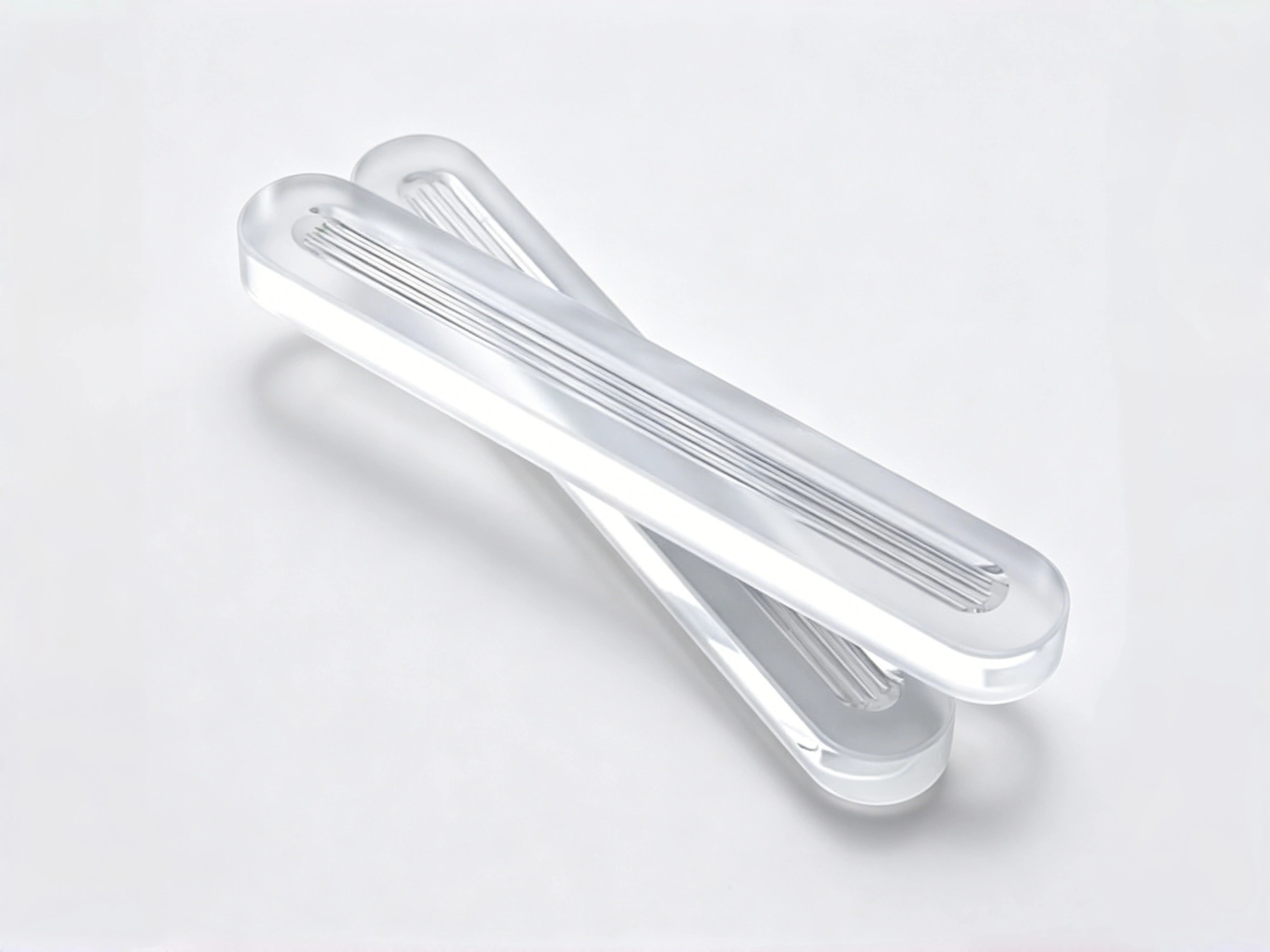
Two gauge glasses can have the same length and still be the wrong replacement. In a DIN 7081 Type A vs Type B inquiry, we first check the width. Our standard Type A plates are 30 mm wide, while Type B plates are 34 mm wide; both commonly use 17 mm thickness. That 4 mm width difference belongs on the purchase specification.
At KUNYO, we quote the full glass geometry and optical design rather than relying on a size number alone. Below, we explain how we distinguish the A/B section from plate length, reflex or transparent construction, and the separate requirements of the complete level-gauge assembly.
1. DIN 7081 Type A vs Type B: compare the section
| Specification | Type A in our standard table | Type B in our standard table |
|---|---|---|
| Width | 30 mm | 34 mm |
| Common standard thickness | 17 mm | 17 mm |
| Length | Specify separately | Specify separately |
| Optical construction | Specify reflex or transparent | Specify reflex or transparent |
| Replacement basis | Approved equipment drawing | Approved equipment drawing |
We keep these dimensions separate because a width letter is not a complete part number. A Type B description does not identify the length, glass finish, material documentation or accessories. It also does not establish that any 34 mm wide plate fits every gauge body carrying a similar description.
The Dumico dimensional tables also distinguish common A and B sections by 30 mm and 34 mm width. Manufacturer tables are useful for cross-checking the dimensional family, while the approved equipment drawing remains the reference for an actual replacement.
2. Add the length instead of ordering only “size 5”
In our reflex gauge glass table, the listed GRA05 is 220 × 30 × 17 mm and GRB05 is 220 × 34 × 17 mm. The common length and similar code ending do not make those two parts interchangeable. We ask you to write the dimensions in the order length × width × thickness, with units.
For a DIN 7081 Type A vs Type B comparison, include the original gauge maker and part reference alongside any catalogue size number. Size names can be carried across purchasing systems without the dimensional table that originally defined them. A full dimension callout makes the requested geometry explicit.
Do not substitute the visible window length for the full glass length. Part of the plate sits behind the cover and sealing arrangement. If only the visible opening is accessible, use the equipment documentation or a safely removed part inspected by qualified personnel to establish the actual replacement dimensions.
3. DIN 7081 Type A vs Type B does not mean reflex vs transparent
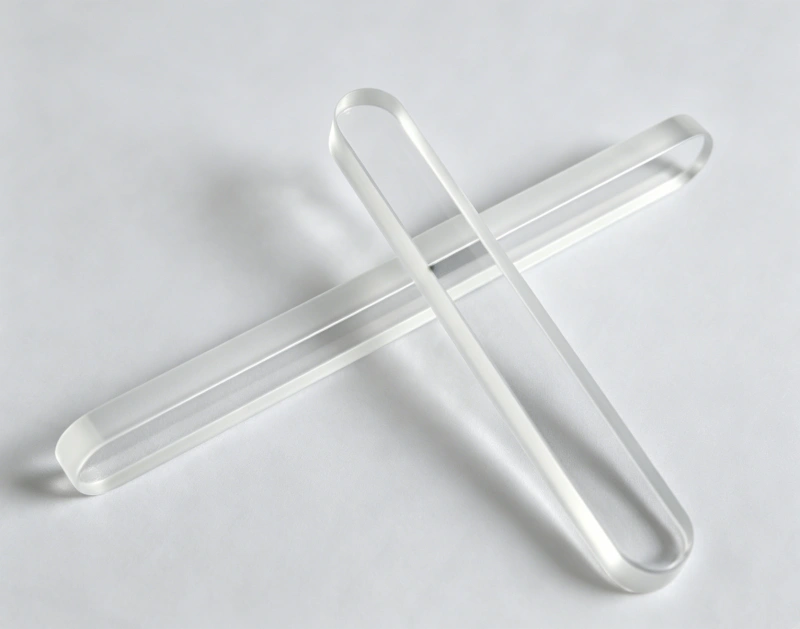
A/B identifies the dimensional section in the tables discussed here. Reflex and transparent describe different optical designs. Our reflex plates have prismatic grooves, while our transparent plates have smooth viewing surfaces. The original gauge design determines which construction is required.
For a reflex replacement, identify the required prism design and plate geometry from the approved specification. For a transparent replacement, identify the smooth plate and the complete gauge arrangement. We do not change one optical type into another simply because the outline dimensions are close.
Our transparent gauge glass range includes separate A and B dimensional tables. If you need to compare optical functions, see our reflex and transparent gauge glass guide. Keep that decision separate from the width comparison so the quote states both requirements.
4. Check gaskets, cushions and the approved operating requirement
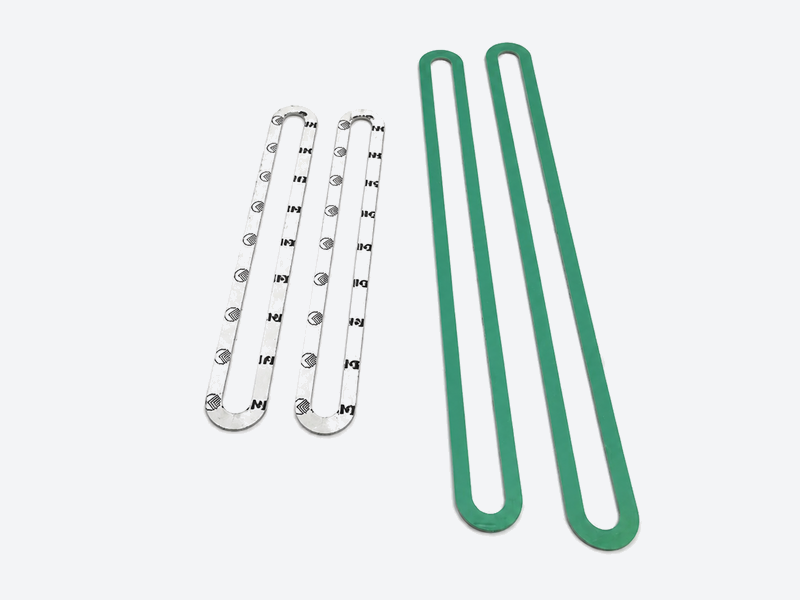
A DIN 7081 Type A vs Type B replacement review should also identify the matching sealing components. A glass width alone does not specify the gasket opening, outer profile, thickness or material. If cushions or protective layers are required, list them separately with their approved references.
We request the process medium, pressure and temperature together with the original gauge specification. A dimensional match does not independently establish the permitted operating conditions. We do not combine separate maximum catalogue values into a new pressure-temperature rating or assume that the wider plate has a higher rating.
For any conformity or inspection-document requirement, name the standard and edition or the customer specification you need reviewed. Our article explains common dimensional identification; it is not a certificate for an unspecified part. Ask the quotation to identify exactly what is proposed and which documentation is included.
5. Write a complete DIN 7081 Type A vs Type B quotation line
A practical inquiry might read: “Reflex gauge glass, 220 × 30 × 17 mm, Type A section, to the attached approved equipment specification; please confirm material, required documentation and piece quantity.” This is a dimensional example from our table, not a recommendation for a particular operating duty.
| Required field | Your inquiry should identify |
|---|---|
| Gauge reference | Maker, model and original part number |
| Optical type | Reflex or transparent |
| Geometry | Full length × width × thickness and end profile |
| Specification | Approved material, standard edition or equipment drawing |
| Operating conditions | Medium, pressure, temperature and relevant cycles |
| Accessories | Gaskets, cushions and other approved components |
| Commercial scope | Piece counts, destination and requested documents |
For several sizes, use separate lines and keep the drawing revision attached to each. If a supplier proposes a different section or a non-standard thickness, ask for the difference to be recorded and reviewed before order approval. We do not treat “close enough” dimensions as a replacement acceptance criterion.
If your application requires a round viewing disc rather than an elongated gauge plate, our DIN 7080 and DIN 7081 comparison addresses that different product-family question. A round-window diameter should not be interpreted as the width or size code of a flat level-gauge plate.
Frequently asked questions
Can Type A replace Type B if the length matches? We do not treat them as interchangeable. The width differs, and the approved gauge assembly must identify the required part.
Is Type B always transparent glass? No. In the dimensional tables discussed here, A/B section and reflex/transparent construction are separate specifications.
Can I order using a size number from another supplier? Include that reference, but also provide the full dimensions, optical type and equipment drawing so we can review the intended replacement.
Request a flat gauge glass quotation from KUNYO. Send the gauge reference, optical type, full dimensions, application conditions, accessories, quantity and delivery country. Email sales@kunyoindustrial.com, send your inquiry online or contact us on WhatsApp. We will review your supplied specification and identify anything still needed for quotation.