
A thicker paper gasket is not automatically a better replacement. When we review gasket paper thickness at KUNYO, we start with the approved joint specification, material grade and intended supply form. Choosing a nearby thickness from stock can change the part you are actually ordering, even when the cut outline looks correct.
Our short answer: use the thickness specified for the equipment and identify it as an uncompressed material dimension with its required tolerance. If that specification is unavailable, ask the responsible equipment engineer to confirm it. We can review the requested paper grade and supply options without inventing a universal thickness for every pump, cover or gearbox.
1. Start with the approved gasket paper thickness
We ask for the equipment drawing, original part number or approved material specification. A description such as “oil-resistant paper” does not identify thickness, grade or the finished profile. If you already have an approved gasket, retain its material callout rather than selecting a visually similar sheet by color.
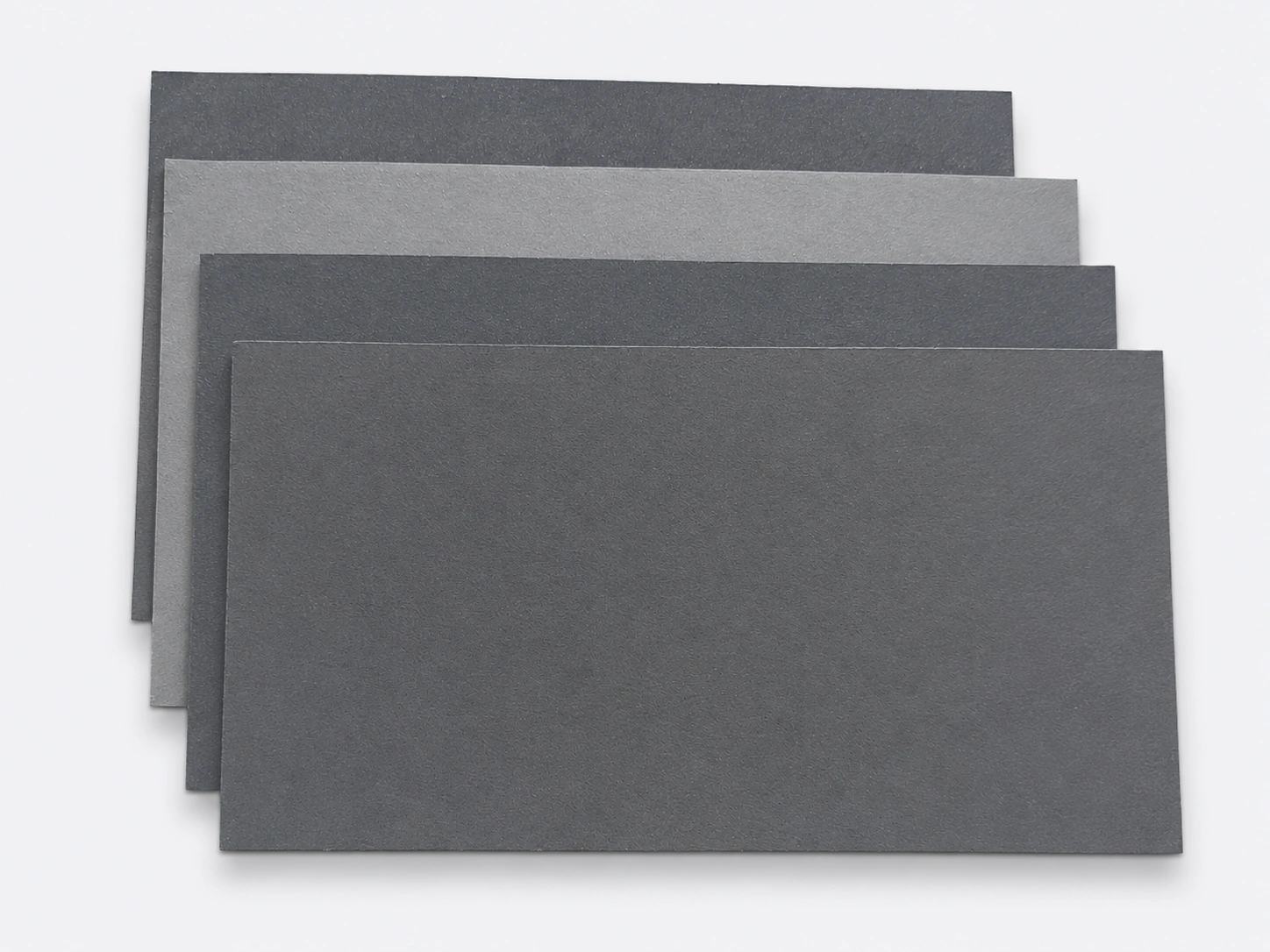
Our industrial gasket paper product page lists a standard thickness range of 0.3–2.0 mm, with other requirements subject to review. That is a supply range, not an instruction to choose any value within it. The actual thickness and tolerance must match the agreed part specification.
| Information | What it means for the inquiry |
|---|---|
| Nominal thickness | The specified material thickness before installation |
| Thickness tolerance | The permitted variation around that nominal value |
| Material grade | The fiber, binder and grade identification |
| Finished profile | Outline, holes and openings of a cut gasket |
| Joint reference | The approved equipment or application specification |
2. Do not copy a compressed used part without checking
A removed gasket may no longer represent the original sheet thickness. Compression, tearing or material changes in service can affect the measurement. We ask whether a sample is unused stock or recovered from equipment, and whether the reported thickness comes from a drawing or a physical measurement.
For gasket paper thickness inquiries, record the units and measurement conditions. If the quality requirement defines a method or a measuring load, include it. A thickness value without an agreed measurement basis can be difficult to compare between a material supplier, a cutter and the receiving inspection team.
A used sample can still help identify the profile. Tell us which dimensions are reliable and which require confirmation. We do not silently treat a compressed sample as an approved drawing or propose a new thickness merely because it reproduces the sample’s current appearance.
3. Gasket paper thickness and material grade are separate choices
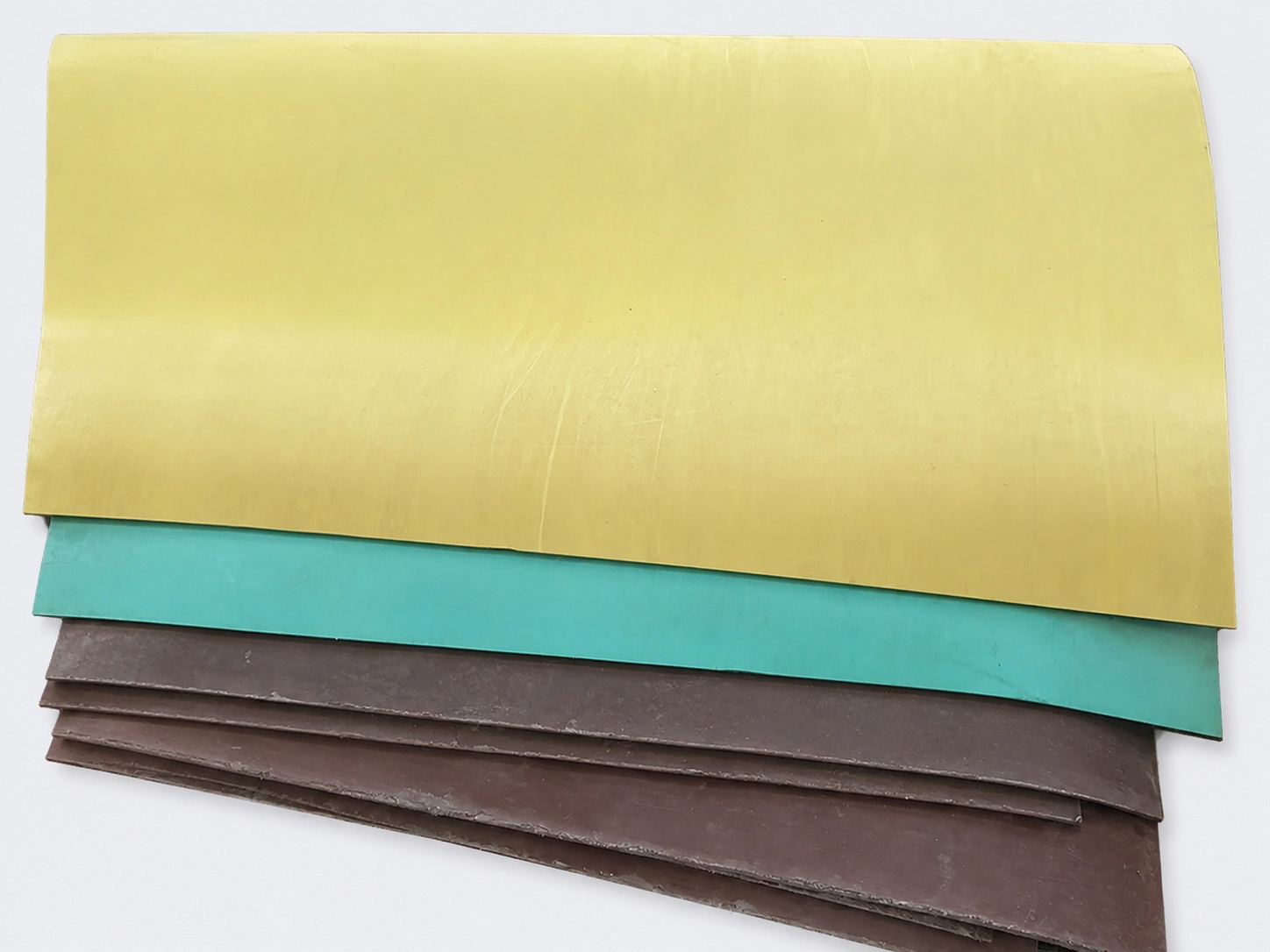
KUNYO lists vulcanized and non-vulcanized fiber-and-latex paper. The listed supply descriptions distinguish material intended for direct-cut gaskets from material that may be used in laminated constructions. Confirm which form your process needs before comparing two offers with the same nominal thickness.
If you are purchasing a laminate, identify whether the thickness requirement applies to one paper layer or to the finished composite. Include the other layers and the approved construction. We do not assume that a paper layer and a completed laminate carrying the same thickness number are the same purchase item.
For general background, Garlock explains why gasket thickness involves the condition and design of the joint. Its guidance favors thinner gaskets where appropriate while noting the need for suitable flange surfaces. This supports an application review; it does not establish the correct paper thickness for your equipment.
Provide the actual medium, normal and maximum temperature and pressure, and any cleaning agents. If the existing grade is unknown, make that explicit. We can review a proposed supply against your requirements, while the responsible equipment team approves any material or thickness change.
4. Specify the supply form as well as gasket paper thickness
Our range can be supplied as sheets, rolls or finished cut parts. A sheet order needs length, width, thickness and sheet count. A roll order needs width, length and quantity. A finished-gasket order needs a dimensioned profile, thickness and piece count. Do not compare a raw-sheet quote with a finished-part quote as if both deliver the same item.
| Supply form | Dimensions and quantity to specify |
|---|---|
| Sheets | Length × width × nominal thickness; number of sheets |
| Rolls | Width × length × nominal thickness; roll quantity |
| Finished gaskets | Drawing and revision; material thickness; pieces per profile |
| Laminated parts | Layer and finished construction; profile; piece quantity |
For several profiles, identify each drawing separately and keep the material grade attached to it. If you need trial material for your own cutting process, say so. If you need ready-to-fit parts, specify that the quotation covers finished profiles and any agreed inspection or packaging requirements.

5. Send a complete gasket paper thickness quotation checklist
- Equipment reference or approved gasket drawing and revision.
- Named material grade and vulcanized or non-vulcanized requirement.
- Nominal uncompressed thickness, tolerance and any required measurement method.
- Sheet or roll dimensions, or the finished cut-part drawing.
- Medium, temperature, pressure and relevant cleaning conditions.
- Quantity with clear units: sheets, rolls or pieces.
- Destination, sample requirements and requested material or inspection records.
A practical inquiry might say: “Please quote gasket paper to the attached approved material specification, with the stated nominal thickness and tolerance, supplied in the required sheet dimensions.” Add your real values and quantity. If finished profiles are required, attach the drawing rather than asking for a generic paper sample alone.
We suggest checking sample approval in two parts: whether the material matches the specified grade and thickness, and whether any finished gasket matches the drawing. Our finished gaskets and full-sheet comparison explains the supply-scope difference. Our vulcanized and non-vulcanized paper guide addresses the separate material-form choice.
For repeat orders, retain the accepted material reference, drawing revision and thickness requirement together. If changing the joint design or material grade, identify that as a change rather than assuming the old thickness remains valid. We can then review a defined configuration for the new inquiry.
Frequently asked questions
Is thicker gasket paper better for stopping a leak? We do not recommend a thickness change as a universal repair. The joint, material and cause of leakage need review against the equipment requirements.
Can I stack two thinner sheets? Do not assume an improvised stack is equivalent to the approved construction. Specify the required finished arrangement and obtain equipment approval for changes.
Can KUNYO quote custom thickness or cut shapes? Send the material, thickness, tolerances, drawing and quantity. We can review the requested supply scope and confirm available options in the quotation.
Request a gasket paper quotation from KUNYO. Send the grade, nominal thickness and tolerance, supply form, dimensions, quantity and delivery country. Email sales@kunyoindustrial.com, send your inquiry online or contact us on WhatsApp. We will review your supplied specification and identify anything still needed for quotation.