
If you cannot read the liquid boundary, cleaning is not automatically the answer. When we review a cloudy gauge glass inquiry, we separate removable deposits from damage to the glass itself. That first distinction helps us understand whether you need a documented maintenance review or a correctly specified replacement.
At KUNYO, we supply replacement glass components and matching sealing options for review against your equipment requirements. We do not diagnose a pressure-containing gauge from a photo alone. Our goal here is to help you describe the symptom, collect the right information and request a replacement without repeating an unresolved specification problem.
1. What can cause cloudy gauge glass?
We first ask where the obscured appearance occurs: outside the window, on the process-facing surface, within the visible liquid, or across the glass after approved cleaning. A dirty outer surface, process deposits and chemical surface attack are different problems. A general description such as “white glass” does not tell us which one is present.
| Reported symptom | Information we request | What remains to be confirmed |
|---|---|---|
| Film on the outside | Location, environment and photographs | Whether the glass beneath is undamaged |
| Deposits on the process side | Medium, treatment chemicals and maintenance history | Approved cleaning method and surface condition |
| Persistent frosting or roughness | Whether approved cleaning restored clarity | Possible erosion or chemical attack |
| Cloudy-looking liquid | Oil or process-fluid condition information | Whether the fluid or the glass obscures the view |
| Repeated loss of visibility | Service conditions and replacement history | Underlying equipment or process cause |
The manufacturer SCHOTT provides tubular gauge-glass inspection and replacement guidance. Its instructions call for replacement when cloudiness or roughening does not respond to cleaning. We use that distinction as background, while the actual equipment manual governs your maintenance decision.
2. When should cloudy gauge glass be replaced?
We do not suggest aggressive polishing, abrasive scraping or unapproved chemical treatment to make a damaged pressure component look clear. Restored appearance alone would not establish that the component still meets its original specification. Ask your responsible maintenance team to assess it using the equipment maker’s procedures.
If there is persistent frosting, roughening, cracking, chipping or another sign of damage, the replacement inquiry should describe that condition. Do not remove or loosen a live gauge to take measurements. Inspection and removal belong to qualified personnel after the isolation, depressurization and cooling steps required by the equipment and site procedures.
Our role is to review the replacement dimensions, material and supply scope. We cannot certify the remaining life of an installed glass from a purchasing email. If the level cannot be reliably established, follow the equipment maker’s operating and shutdown requirements rather than assuming that a difficult-to-read gauge is still giving a valid indication.
3. Explain why the cloudiness keeps returning
For repeat cases, we ask whether the obscured appearance began gradually, followed a process change, or returned soon after replacement. Include the glass part reference and the service period if known. This timeline helps the equipment team investigate the cause without assuming every replacement has the same underlying problem.
The manufacturer Clark-Reliance discusses steam-related etching and reduced gauge visibility. Its guidance supports reviewing both operating conditions and the approved maintenance programme. Replacing a component does not itself correct a process condition that continues to attack or obscure the surface.
We ask for the process medium, normal and maximum temperature and pressure, cleaning chemicals and any recent treatment change. If the original assembly uses a protective layer, record its exact specification. We do not assume that a shield can be added to any reflex or transparent gauge; the proposed arrangement needs approval for that specific design.
4. Specify the cloudy gauge glass replacement correctly
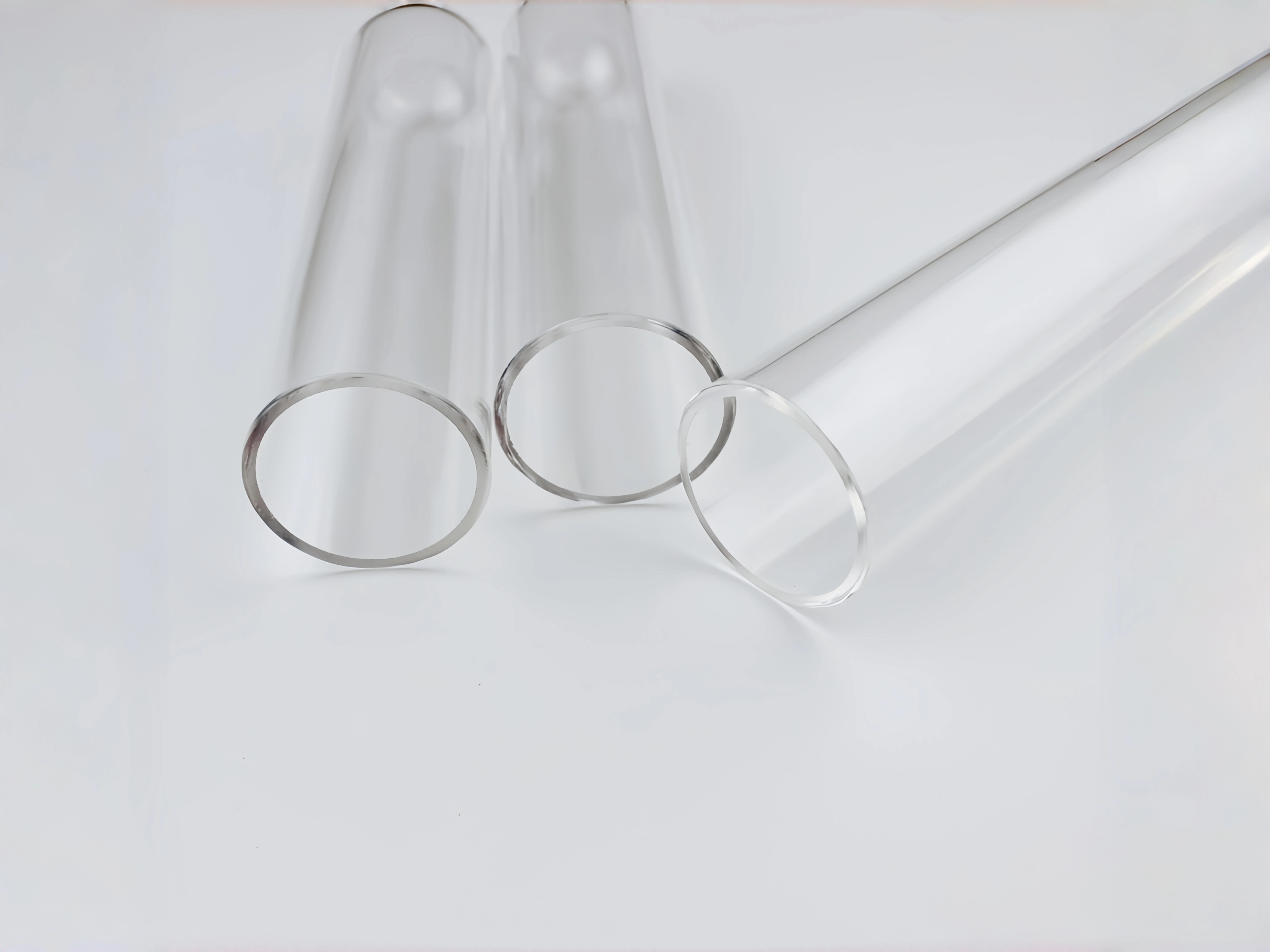
For a tubular replacement, we request outside diameter, wall thickness or inside diameter, finished overall length and required end finish. Visible length is not necessarily cutting length because part of the tube may sit inside the fittings. Our gauge glass tube ordering guide explains the dimensional information we need.
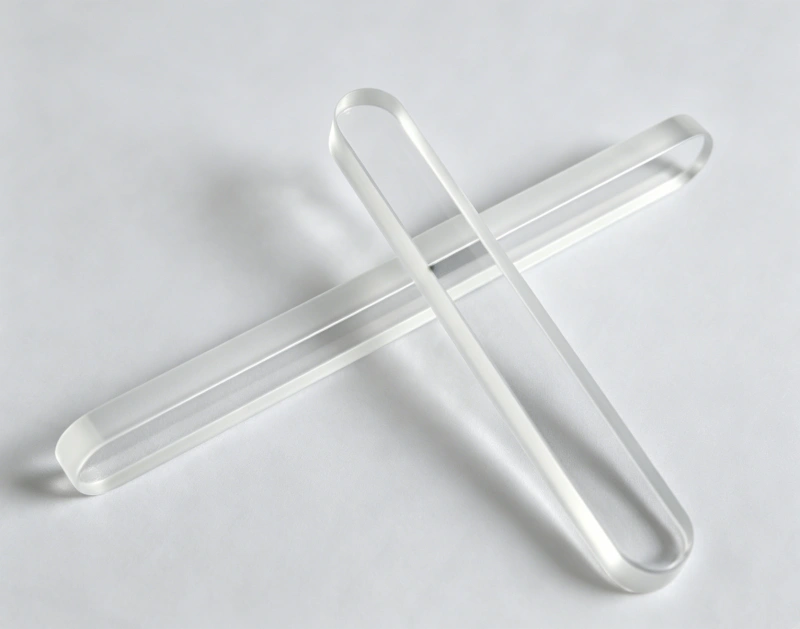
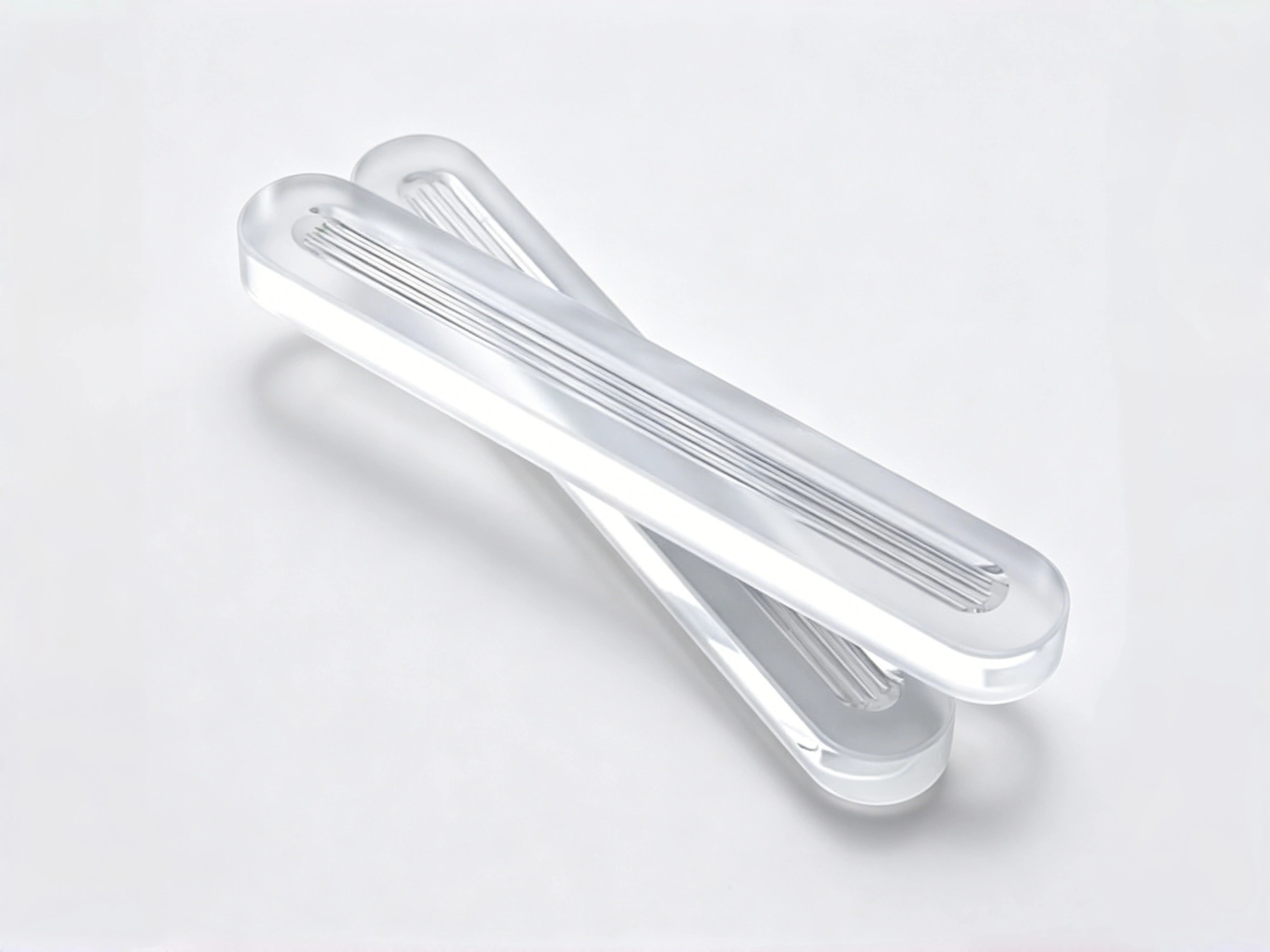
For a flat plate, we request length, width, thickness, end shape and whether the original is reflex or transparent. Include the equipment model and drawing when available. For a circular window, give outside diameter and thickness together with the fitting details. Similar appearance is not enough to establish interchangeability.
We list borosilicate gauge glass tubes, reflex gauge glass and transparent gauge glass as separate ranges. If seals or cushions are also required, identify their material, dimensions and quantity separately. Do not assume that a glass-only quotation includes a complete repair kit.
5. Prepare a useful cloudy gauge glass inquiry
- Equipment maker, model, part reference and available drawing.
- Glass family and confirmed dimensions, with units.
- Photographs of the installed assembly and removed component, when safely available.
- Medium, normal and maximum operating conditions, and relevant cleaning chemicals.
- Description of cloudiness, damage and replacement history.
- Required glass, gaskets, cushions and other approved parts as separate line items.
- Quantity, delivery country and requested documentation.
If you have only a used sample, tell us that it may be worn or damaged. We prefer the approved drawing as the dimensional reference when available. Ask the responsible equipment specialist to resolve uncertain dimensions or material substitutions before you approve the purchase. This keeps a replacement quotation tied to the actual machine.
Frequently asked questions
Does cloudy gauge glass always mean scale? No. Deposits, surface damage and the appearance of the process fluid can all affect visibility. We need the symptom history and equipment assessment to distinguish them.
Can I order a thicker glass to stop cloudiness? We do not treat thickness as a universal cure. The cause may involve the medium or operating conditions, and a thickness change also affects fit. Use the approved assembly specification.
Can KUNYO quote from a photograph? We can use it to begin identification. A confirmed quotation still needs the geometry, material, application conditions and required supply scope.
Need a quotation for replacement gauge glass? Send your drawing or equipment reference, confirmed dimensions, medium, pressure, temperature, quantity and delivery country to sales@kunyoindustrial.com. We will review the requested configuration. You can also send your inquiry to KUNYO or contact us on WhatsApp.