
Reflex gauge glass contrast makes the liquid boundary easier to spot in a compatible level gauge. KUNYO’s DIN 7081 reflex glass uses molded prisms to make the liquid and vapor zones appear different. For a maintenance buyer, the advantage is a clearer level reading from a fixed viewing position.
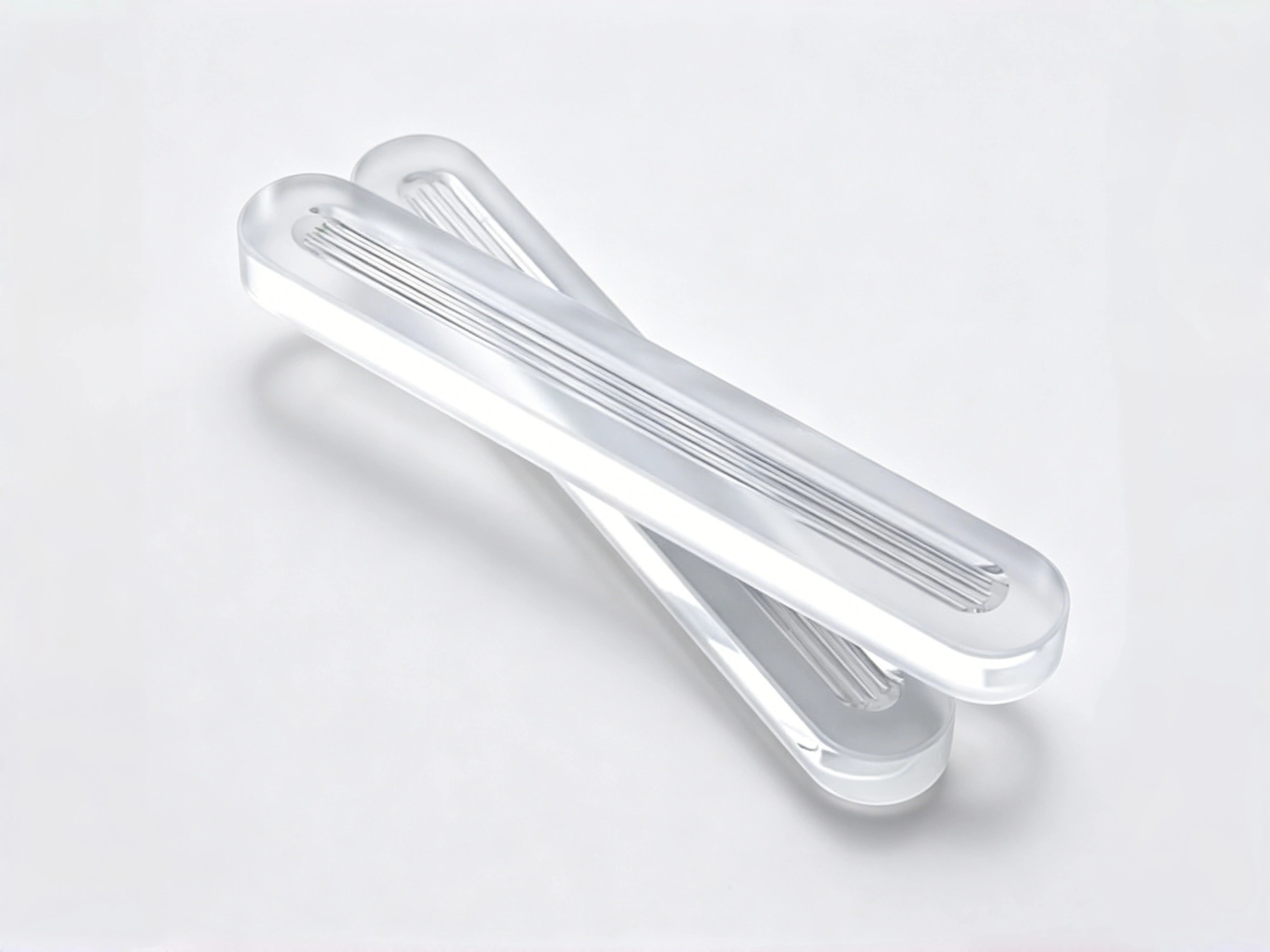
Table of Contents
What to confirm before requesting a quote
For example, a plant replacing the glass on several gauges may have a mix of reflex and transparent assemblies. Add the gauge model and a photo of the installed viewing face to the parts list for each unit. A drawing or old part number can resolve differences that a photo alone cannot show. Once the parts are identified, record the required quantities of glass, seals and cushions separately. Use the equipment manufacturer’s documentation for any service work and for confirming which parts are replaced together.
Product details are available on the KUNYO reflex gauge glass contrast product page.
1. Identify the boundary you need to read
Start with the decision an operator makes at the gauge. For a tank, that might mean checking whether the liquid has reached a marked operating band. The visible boundary between the two zones gives the operator a reference point against the scale beside the gauge. If the job also requires seeing fluid color or an interface between two liquids, document that requirement and ask about a transparent gauge assembly.
2. Understand how reflex gauge glass contrast works
The prisms change the way light returns to the observer. In the vapor zone, the prism surfaces reflect light toward the viewing side, producing a brighter region. Where the prisms contact liquid, more light passes into the process medium and that area generally appears darker. The contrast between these regions is what makes the boundary visible. The glass is one part of the gauge assembly, so the view also depends on the fitting and the installed position.
Record the reading conditions. For each gauge on the inspection route, record the equipment tag, the normal viewing position and the lighting available during the shift. A photo taken from the walkway is more useful than a close-up if the complaint is that the level line is hard to see. Include whether the issue appears all day or only when sunlight or a work light reflects off the cover.
3. Check the operator’s normal viewing position
Compare the proposed viewing window with the location from which the gauge will actually be read. Walkways, guards and pipework can affect the line of sight. A gauge that reads clearly straight on may be harder to read from the side or through a guard. Record the normal viewing distance and lighting so the equipment supplier can review the installation with the application in mind.
4. Keep glass and assembly specifications together
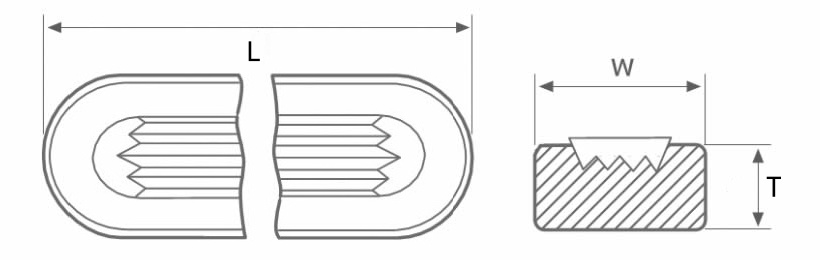
KUNYO lists a DIN 7081 reflex glass option for industrial level gauges. For a replacement, send the manufacturer and model of the existing gauge, the old part marking, and the glass dimensions. A dimensioned drawing helps identify the glass profile and gasket contact area. Include the operating medium, design conditions and any documentation requirements. Ask the gauge manufacturer to confirm the complete assembly’s suitability for the duty.
Separate an optical issue from a fit issue. In the quote request, separate what you see in service from what you know about the existing assembly. A weak contrast complaint belongs under operating observations. The glass dimensions, gauge model and parts drawing belong under identification. This gives the supplier enough information to discuss the viewing issue and independently check whether the replacement matches the holder.
5. Specify what the replacement order includes
A purchase request should say whether it covers glass only or also includes the sealing and cushioning components. Include the quantity per gauge and the number of gauges to be serviced. For multiple assets, list the equipment tag next to each glass size. This makes it easier to check the incoming parts against the right machine and prepare spare kits without mixing visually similar items.
Document the part being replaced. If your records list several gauges on the same vessel, note exactly which window needs replacement and whether the units use different glass lengths. Attach a marked-up drawing or a photo of the nameplate if it can be read safely. Ask for the quote to list the glass and any separately supplied sealing components so the receiving team can check each line item.
Can reflex glass show the color of a process liquid?
Its intended visual cue is the level boundary created by the difference in brightness. If the operator needs to judge color or see a liquid-to-liquid interface, include those details in the request so the supplier can recommend an appropriate viewing arrangement.
Request a quote for DIN 7081 reflex glass
Send KUNYO the gauge model, drawing or part number and your operating conditions. Include the viewing objective and any gasket requirements so the quotation covers the components you actually need.
Read the related sizing and replacement guide or contact KUNYO for a quote. If reflex gauge glass contrast is the reason for replacement, include a short description of what the operator can see today.